
How to Start Producing Electronic Music and Get It Published (Complete 2026 Guide)
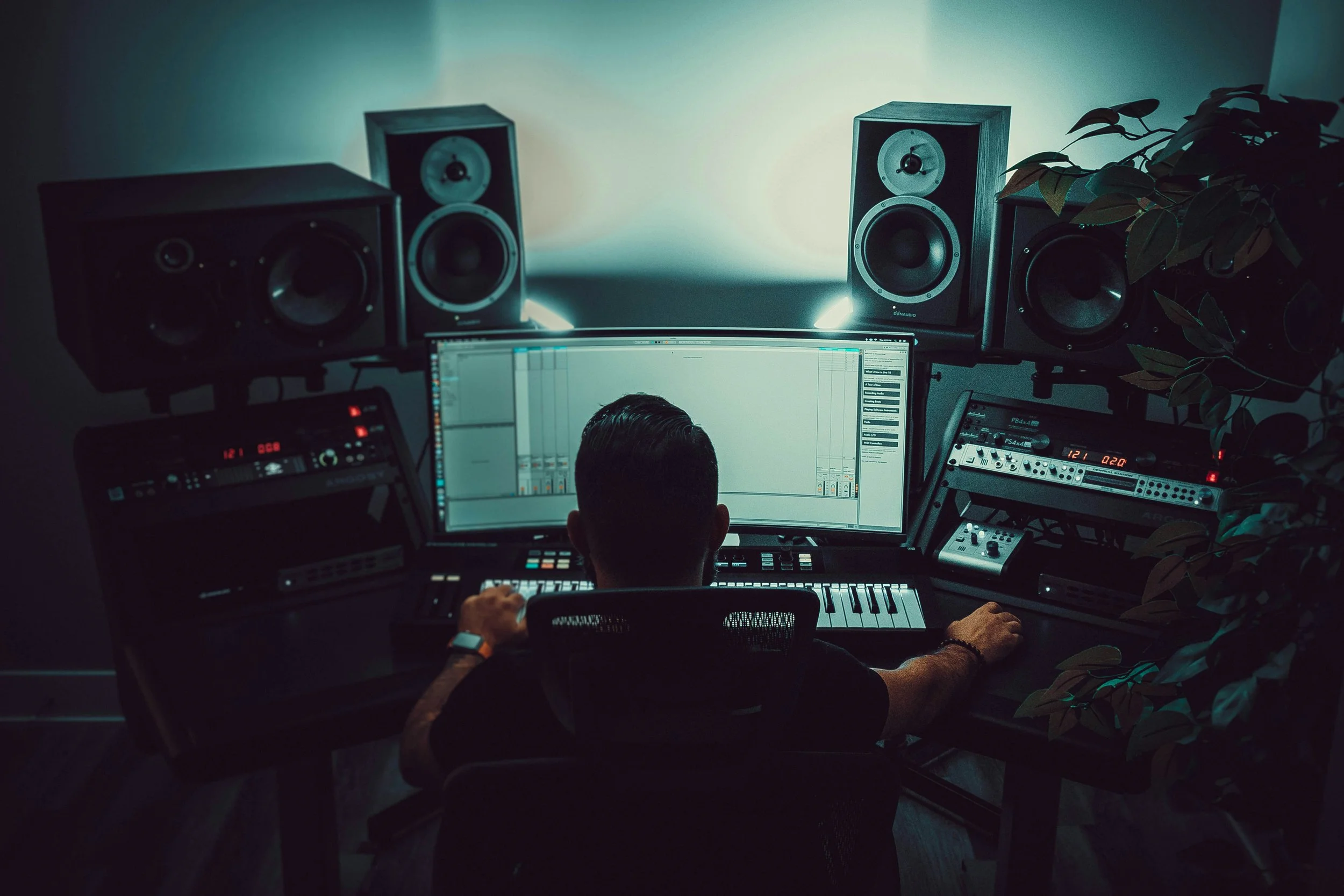
Electronic music production has never been more accessible — but building a track is only the beginning. If you want to start producing electronic music seriously, release your tracks professionally, and get properly published, you need more than software and inspiration. You need structure, strategy, and a clear path from home studio to distribution. This guide breaks down exactly how to go from beginner producer to officially released artist.
If you want to learn:
How to start producing electronic music
How to release electronic music professionally
How to get your music published
How to use SoundCloud to build momentum
This roadmap breaks the entire process down step by step.
Phase 1: How to Start Producing Electronic Music
1. Choose Your Genre and Direction
Clarity builds faster growth.
Pick one lane:
House
Tech House
Progressive
Melodic Techno
Afro House
Drum & Bass
Study 5 artists in your niche. Analyse structure, sound design, and arrangement.
Specialisation beats experimentation at the start.
2. Set Up Your Music Production Workspace
To produce electronic music, you need a Digital Audio Workstation (DAW). The most widely used platforms are:
Ableton Live
FL Studio
Logic Pro
A laptop is enough to begin.
However, if you are serious about becoming a producer, a desktop computer with dual monitors is ideal. A dual-screen setup allows you to:
Keep arrangement view open
Run mixer and plugins simultaneously
Improve workflow efficiency
Reduce creative friction
Add quality headphones or monitors, organise your samples, and create a default project template.
Efficiency = more finished tracks.
3. Learn Arrangement Before Sound Design
Most beginners focus on making cool sounds.
Professionals focus on finishing tracks.
Import a reference track and map:
Intro length
Build timing
Drop placement
Breakdown energy
Copy structure once. Finish the track.
Completion is the first professional skill.
Phase 2: Build Production Skill and Identity
4. Finish 20 Tracks
The fastest way to improve electronic music production is volume.
Tracks 1–10: Learning
Tracks 10–20: Identity forming
20+: Competitive development
You cannot skip repetition.
5. Learn Basic Mixing for Electronic Music
To release music professionally, your mix must translate.
Understand:
Gain staging
Kick and bass separation
Basic compression
Stereo width control
Clean WAV exports
Good mixing makes demos releasable.
6. Develop a Recognisable Sound
Ask:
Are your drums tight and minimal?
Is your music melodic or percussive?
Dark, soulful, peak-time, hypnotic?
Producers who get signed are recognisable quickly.
Identity builds brand value.
Phase 3: How to Release Electronic Music
Once you have 3–5 strong tracks, it’s time to release.
You now have three main routes.
Option A: Release Through a Record Label
Best for credibility and industry exposure.
Steps:
Research labels aligned with your genre
Prepare 1–2 strong demo tracks
Upload privately to SoundCloud
Send a short professional pitch
If signed, labels handle:
Distribution
Artwork
Beatport delivery
DJ promo
Marketing
You share royalties but gain exposure.
Option B: Release Independently via Distribution Platforms
Best for control and ownership.
Use distributors such as:
DistroKid
TuneCore
CD Baby
These distribute your electronic music to:
Spotify
Apple Music
Amazon Music
Beatport
You keep a higher revenue percentage but handle marketing yourself.
Option C: Use SoundCloud as a Publishing and Growth Platform
SoundCloud is more than just a hosting site — it is a discovery tool and distribution platform.
Using SoundCloud strategically can help you get noticed and published.
There are three main ways SoundCloud helps producers:
1. Demo Hosting for Labels
Most labels accept private SoundCloud links.
Upload as private
Enable downloads (if required)
Track plays from label emails
SoundCloud is the industry demo standard.
2. Organic Growth & DJ Discovery
Many A&R scouts, DJs, and smaller labels actively search SoundCloud by genre.
If your track gains traction through:
Reposts
DJ comments
Playlist features
Community engagement
You can attract inbound label interest.
This is how many underground producers get signed.
3. SoundCloud for Artists (Direct Distribution)
SoundCloud also offers distribution through “SoundCloud for Artists.”
This allows you to:
Distribute directly to Spotify & Apple
Monetise streams
Keep control of rights
It combines hosting + distribution + monetisation in one platform.
For emerging producers, SoundCloud can be both:
A discovery engine
A publishing gateway
Phase 4: How to Get Your Music Published Properly (Royalties)
Distribution ≠ Publishing.
To collect royalties professionally, register with your Performing Rights Organisation.
If based in Australia:
APRA AMCOS
This ensures you collect:
Performance royalties
Mechanical royalties
Sync royalties
Without registration, you leave money unclaimed.
Publishing protects your long-term income.
Phase 5: Promote Your Release Strategically
Uploading music is not promotion.
To build traction:
Send DJ promos
Pitch independent Spotify curators
Share SoundCloud clips
Include tracks in DJ mixes
Build email list
Post consistent teaser content
Release day is marketing day.
Phase 6: Build Long-Term Momentum
Electronic music careers are built over years.
To grow:
Release consistently
Build relationships
Collaborate
Develop brand identity
Stay within your niche
Consistency builds recognition.
How Long Does It Take to Get Published?
Typical timeline:
6–12 months: competitive tracks
1–2 years: industry traction
3+ years: recognisable presence
SoundCloud can accelerate discovery — but skill still comes first.
Final Thoughts: The Real Path to Getting Published
The producers who get published and signed are not the ones with the most plugins.
They are the ones who:
Finish tracks
Build identity
Release strategically
Use SoundCloud intelligently
Register publishing rights
Stay consistent
Electronic music is a structured process.
Treat it like a long-term strategy — not a hobby — and your chances of getting professionally published increase dramatically.
Download the Complete Electronic Music Producer Checklist
Want the structured version you can follow step-by-step? Download the PDF of the Electronic Music Producer Roadmap and use it as your working blueprint from studio setup to official release.